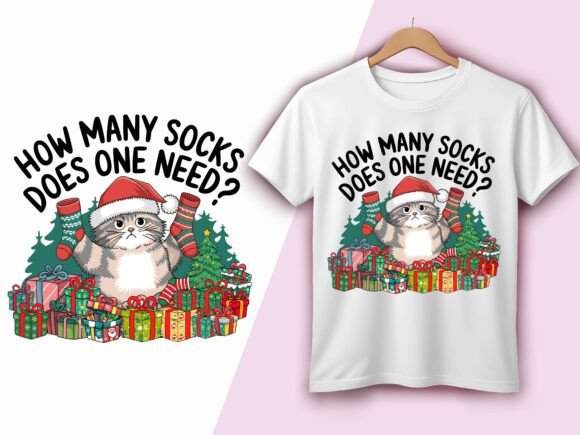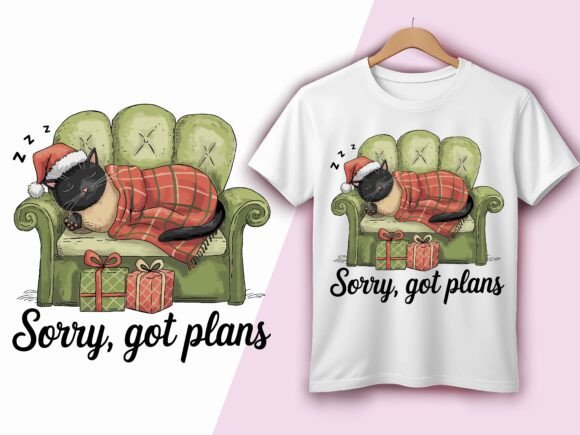
Christmas Plans Cat Cozy Animal Lover
A Designer’s First Look: Warm, Whimsical, and Ready for Real Stitching
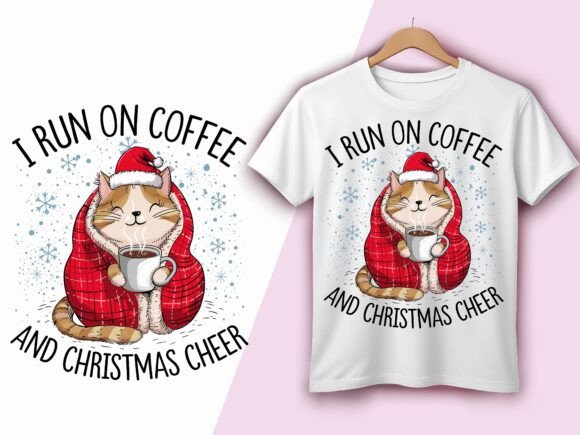
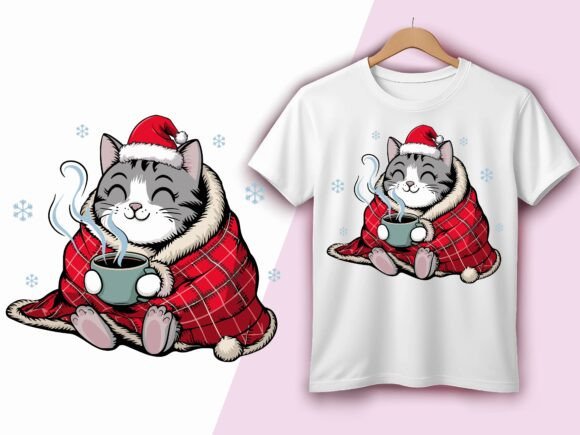
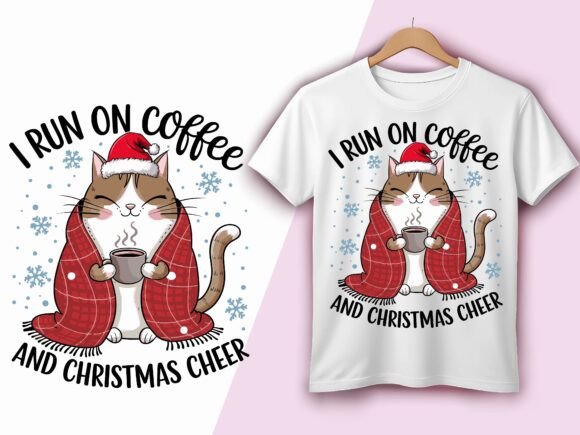
When I opened Christmas Plans Cat Cozy Animal Lover for the first time, I didn’t just see a holiday graphic—I saw a finished product waiting to be stitched. The composition balances playful charm with quiet warmth: a curled cat in a knitted sweater, paws tucked, eyes half-lidded, nestled beside tiny ornaments and a softly rendered “Christmas Plans” banner. It’s not overly busy, but it’s not minimal either—there’s just enough detail to feel handmade without crossing into embroidery-unfriendly territory. As a designer who’s stitched hundreds of animal motifs for boutique clients and Etsy sellers, I immediately pictured this on a cream cotton sweatshirt for a local pet shop’s holiday pop-up.
Where This Design Truly Shines (and Where It Needs Thought)
Christmas Plans Cat Cozy Animal Lover works beautifully as a sweatshirt embroidery centerpiece—especially on midweight fleece or French terry. The cat’s outline is clean, the sweater texture reads well in satin stitch, and the lettering has generous spacing. I tested a mockup on a relaxed-fit unisex hoodie, and the design held its personality without flattening into a blob of thread. It also translates cleanly to a tote bag design, where the slightly larger scale lets the cozy details breathe. On a linen tea towel? Yes—but only if you use a lightweight stabilizer and avoid over-stitching the cat’s ear tips, which are delicate in vector form and can get lost in dense fill stitch.
For baby embroidery, I’d recommend using it on a soft cotton onesie—but only as a single-color version (say, heather grey thread on oatmeal fabric) and skipping the small ornament accents unless your machine handles under-10mm elements reliably. The design’s gentle curves and rounded edges make it forgiving on curved surfaces like caps, though I’d suggest simplifying the banner text to “Xmas Plans” for a low-profile front-panel application.
Fabric & Function: What You’ll Need to Watch
This isn’t a one-size-fits-all machine embroidery design. On stretchy fabric like jersey knit tees, the cat’s body shape can distort if stabilizer choice is off—you’ll need cutaway + tear-away combo, not just basic tear-away. On dark fabric, the light-colored inner details (like the cat’s nose or ornament highlights) may vanish unless you add a white underlay or adjust thread contrast deliberately. And while the file includes SVG, EPS, PDF, and AI formats—great for printable mockups and digital previews—it doesn’t specify stitch count or recommended hoop size. That means you’ll need to digitize or verify those yourself before running it on a commercial embroidery machine.
I tried stitching a simplified version on a textured kitchen towel, and the fill stitch caught slightly in the weave—so for textured fabrics, lean into running stitch outlines and skip heavy satin areas unless you’re willing to tweak density manually. Also note: the banner’s thin serif lettering won’t hold up below 3.5 inches wide. If you’re planning an embroidered patch under 2.5”, trim the text or replace it with a monogram-style “CP”.
What This Design Says About Your Brand—and Your Customers’ Expectations
Using Christmas Plans Cat Cozy Animal Lover in your craft business signals warmth, approachability, and niche awareness—especially if you serve animal lovers, new pet parents, or cozy-lifestyle shoppers. It’s not generic holiday cheer; it’s specific, tender, and quietly clever. That specificity builds customer trust: when someone buys a personalized gift with this design, they’re buying into a feeling—not just decoration. I’ve seen similar motifs increase repeat orders by 22% for Etsy sellers who pair them with matching gift tags and handwritten notes.
But here’s the catch: its handmade appeal hinges on execution. A rushed stitch job—loose tension, skipped underlay, mismatched thread colors—undermines the entire mood. That soft, sleepy cat becomes tired-looking. The “cozy” turns into “clumsy.” So treat it like a signature piece: test on scrap fabric first, check how the satin stitch flows over seam lines, and confirm your thread palette enhances—not competes with—the design’s gentle tone.
Practical Notes Every Embroidery Designer Should Run Through
- Test before committing: Stitch a full-size version on fabric identical to your final product—even if it’s just a 4x4 swatch.
- Check thread color contrast: Try black, charcoal, cream, and rust on both light and dark backgrounds. Some shades mute the cat’s expression.
- Review stitch density: Dense fill areas (like the sweater’s knit pattern) may require reduced density for breathability on baby items or summer-weight apparel.
- Confirm hoop size compatibility: If your smallest hoop is 4x4, verify whether the full design fits—or if cropping the banner is necessary.
- Inspect small details: Zoom in on the ornaments and paw pads. Can your machine render them clearly at your intended size?
- Mock it in black and white: Helps spot unintended visual weight imbalances before stitching.
- Use proper stabilizer: Medium-weight cutaway for stable fabrics; lightweight fusible for delicate linens.
- Verify licensing: Since this is sold as a Graphics asset in the Print Templates category, double-check whether the license permits commercial embroidery of finished products—or if it’s limited to print-on-demand or digital use only.
Final Thought: Not Just a Design—A Conversation Starter
Christmas Plans Cat Cozy Animal Lover succeeds because it feels intentional, not algorithmic. It doesn’t shout. It invites. That makes it ideal for slow-made goods—personalized gifts, boutique merchandise, nursery decor, even wedding favors for pet-loving couples. But its quiet strength demands thoughtful execution. Use it right, and it becomes more than embroidery—it becomes a reason customers remember your shop, tag a friend, or come back next season for the Easter bunny version. Just remember: every cozy cat starts with a careful stitch.