Christmas Cat Socks Holiday Vector
A Designer’s First Look: Playful, Compact, and Instantly Recognizable
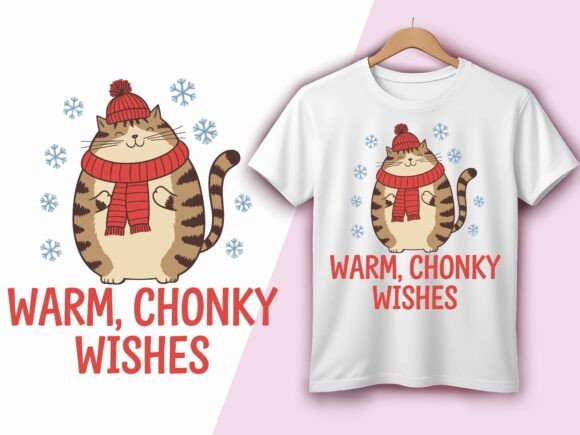
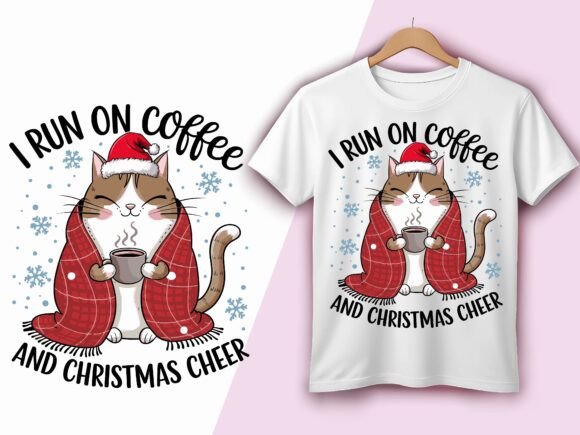
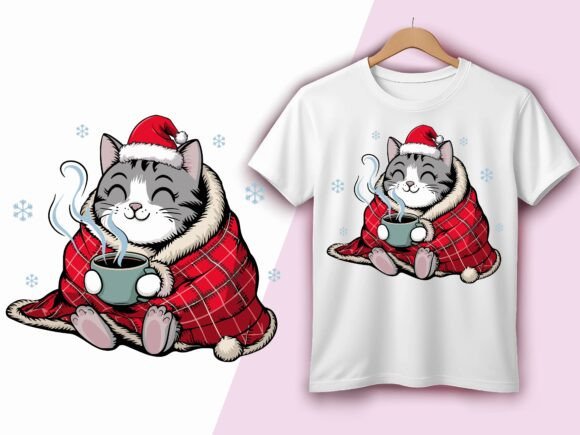
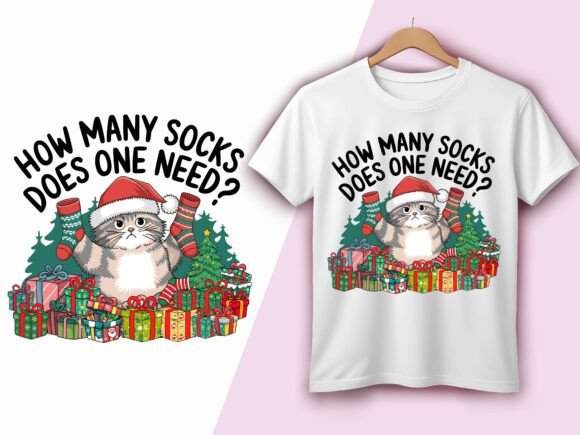
When Christmas Cat Socks Holiday Vector landed in my inbox, I opened it expecting festive clutter — but instead found a tight, joyful composition. It’s not overloaded with tinsel or snowflakes; it’s centered on a stylized cat wearing striped holiday socks, rendered with clean lines and balanced negative space. The vector format means crisp scalability, which is essential whether you’re embroidering a 3-inch patch or scaling it for a 10-inch tote bag design. As an embroidery designer who’s seen too many “cute” holiday graphics collapse into muddy satin stitch, this one stood out for its intentional simplicity — no micro-details that’ll vanish under thread, no overlapping elements that fight for stitch order.
Where It Shines: Real Projects That Feel Thoughtful, Not Tacked-On
Last week, I used Christmas Cat Socks Holiday Vector to create a limited-run batch of embroidered sweatshirt cuffs for a local boutique’s holiday pop-up. We stitched it at 2.8 inches wide onto midweight French terry — soft enough for baby wear but structured enough for adult apparel. The result? A subtle, charming accent that customers kept commenting on: “It’s not *just* Christmas — it’s *my kind* of Christmas.” That’s the quiet strength of this design. It works beautifully on sweatshirt embroidery, tote bag design, and pillow covers because its proportions hold up across fabric types and placements. I also tested it as an embroidered patch on denim aprons for a craft fair vendor — the clean outlines translated cleanly into satin stitch borders, and the sock stripes stayed legible without over-stitching.
Fabric & Fit: Know When to Lean In — and When to Pause
Christmas Cat Socks Holiday Vector is forgiving on stable fabrics like cotton twill, canvas, and medium-knit fleece — ideal for custom apparel and handmade product lines. But I’d advise caution on ultra-thin fabrics (like lightweight rayon challis) or highly textured surfaces (bouclé knits, heavy corduroy), where fine line work can blur. On stretchy fabric — think ribbed knit tees or baby onesies — stabilizer choice becomes critical. Use a cutaway + tear-away combo, and consider reducing stitch density slightly in the cat’s face area if your machine tends toward puckering. For dark fabric, test thread colors first: a warm cream or heather grey often reads more warmly than stark white, preserving the design’s cozy personality. And while it scales well upward, avoid shrinking it below 1.5 inches — the sock stripes and facial details start losing definition, especially in fill stitch.
What You’ll Want to Check Before Stitching
- Test on scrap fabric first — especially if stitching on curved surfaces like caps or mugs (yes, even for printable mockups, physical testing informs digital confidence).
- Review stitch density — dense areas like the cat’s ear or sock cuff may need slight manual adjustment depending on your machine’s tension and fabric weight.
- Confirm hoop size compatibility — the design’s natural width fits comfortably in a 4×4 hoop, but verify your file’s actual dimensions before loading.
- Inspect small details — zoom in on the SVG or AI file to ensure no stray anchor points or overlapping paths could cause erratic stitching behavior.
- Try black-and-white mockups — this design relies on shape and rhythm more than color, so seeing it in monochrome helps assess clarity for blind-stitch or high-contrast branding needs.
Why It Builds Trust — Not Just Adornment
As an Etsy seller and small shop product developer, I pay close attention to how a design affects perceived value. Christmas Cat Socks Holiday Vector doesn’t scream “mass-produced clipart.” Its balanced spacing, intentional line weight, and cohesive holiday theme signal thoughtful curation — which translates directly to customer trust. Buyers notice when a personalized gift feels considered, not copied. That matters whether you’re selling embroidered tea towels to foodie gifters or holiday nursery decor to new parents. It also supports brand consistency: pair it with a simple serif font for tags or packaging, and you’ve got a recognizable, warm visual language — no forced “festive” fonts required.
Licensing & Commercial Use: A Quiet but Critical Step
The listing notes this is a Print Templates asset with SVG, EPS, PDF, and AI files — great for flexibility. But remember: vector files aren’t automatically cleared for commercial embroidery use. If you plan to sell finished products (embroidered patches, sweatshirts, baby embroidery items) or resell digital embroidery files, verify the license explicitly permits machine embroidery design use and commercial redistribution. Some “print-ready” Graphics assets restrict digitization or derivative embroidery files unless upgraded. When in doubt, contact the creator before listing on Etsy or launching a holiday collection.
Final Thought: A Design That Earns Its Place
Christmas Cat Socks Holiday Vector isn’t flashy — and that’s its superpower. It’s the kind of holiday embroidery file that slips seamlessly into your workflow: easy to digitize, reliable across fabric types, and emotionally resonant without leaning on cliché. Whether you’re prepping a batch of custom apparel for a boutique, building digital embroidery file bundles for crafters, or stitching personalized gifts for friends, it delivers clarity, charm, and quiet professionalism. Just remember: even the best machine embroidery design depends on your judgment — so stitch smart, test early, and let the cat do the talking.