Christmas Cat Wrapped in Blanket Coffee
A Designer’s First Look: Warm, Whimsical, and Ready for Real Stitching
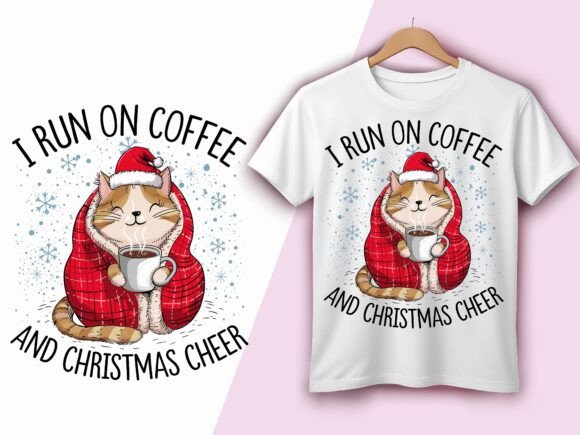
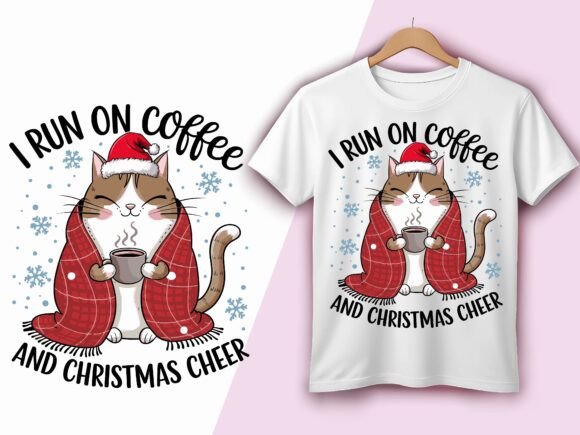
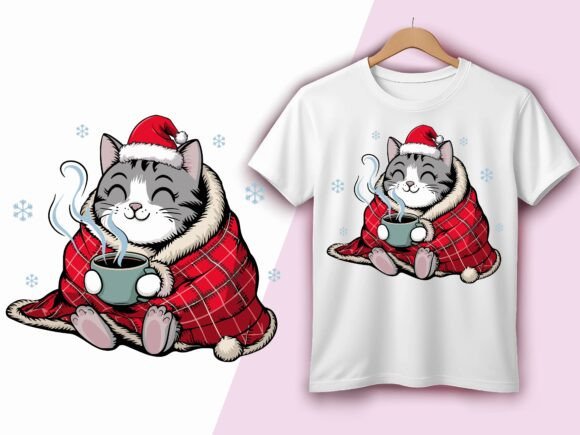
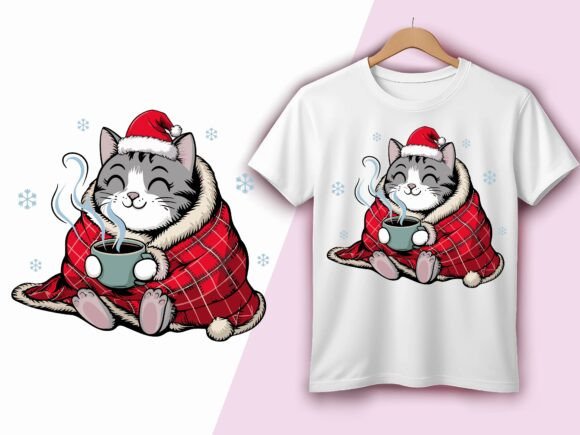
When I opened Christmas Cat Wrapped in Blanket Coffee for the first time, I didn’t see just another holiday graphic—I saw a quiet moment of cozy storytelling. The cat is curled mid-nap, swaddled in a soft-looking blanket with subtle coffee steam curling upward like a gentle sigh. It’s not overly detailed or fussy; it’s balanced, centered, and built with clear negative space around the outline—exactly what I want before committing thread, time, and client trust.
Where This Design Feels Most at Home
I recently used Christmas Cat Wrapped in Blanket Coffee as the centerpiece for a custom embroidered tote bag—intended as a small-batch holiday gift for local coffee shop patrons. The design scaled beautifully to 4.2 inches wide, stitched cleanly on medium-weight canvas with light cutaway stabilizer. The rounded shape sat perfectly on the bag’s flat panel, and the coffee cup detail read clearly without looking cramped. That’s the sweet spot: products where charm matters more than precision—sweatshirt embroidery, pillow covers, aprons, tea towels, and baby onesies (especially for nursery decor or holiday photo props).
It also works well as an embroidered patch. I tested it on twill backing with satin stitch borders and a soft fill stitch for the blanket texture—no puckering, no thread breaks. For Etsy sellers and craft fair vendors, this is low-risk, high-appeal design territory: instantly recognizable, seasonally relevant, and emotionally resonant without leaning into cliché.
What to Watch For—Real Embroidery Considerations
Christmas Cat Wrapped in Blanket Coffee isn’t built for micro-detail work. If you’re planning a cap front or a tiny pocket accent, step back and assess hoop size and fabric curvature first. The blanket folds and steam swirl rely on smooth satin stitch transitions—those can distort on highly curved surfaces like baseball caps unless digitized with underlay and reduced density.
On thin or stretchy fabrics—think lightweight tees or ribbed knit baby bodysuits—use tear-away + cutaway combo stabilizer. The design’s moderate stitch density holds up well, but avoid pushing it onto jersey without testing. Also, be mindful of dark fabric backgrounds: the coffee steam and blanket highlights are subtle. In black thread on navy, they’ll vanish. Always test in both light and dark thread palettes—and check your digital embroidery file preview in grayscale to confirm contrast.
And while the listing says it’s suitable for mugs and pillows, remember: this is a print template, not a machine embroidery design out of the box. If you’re stitching it, verify whether the SVG/EPS/PDF/AI files include embroidery-specific digitization (stitch types, underlay, jump stitches) or if you’ll need to convert or commission digitizing. Don’t assume “print ready” means “embroidery ready.”
Design Personality Meets Practical Value
What makes Christmas Cat Wrapped in Blanket Coffee stand out among holiday graphics isn’t novelty—it’s restraint. No glitter, no snowflakes crowding the edges, no forced “Merry” text that limits reuse. That gives you flexibility: pair it with minimalist typography for boutique branding, add a small monogram for personalized gifts, or use it solo for handmade product consistency.
Customers respond to authenticity—not perfection. When this design is stitched well, it reads as intentional, thoughtful, and quietly joyful. That builds trust faster than flashy motifs. For small shop owners and Etsy sellers, that translates directly to repeat buyers and social shares. A customer who receives a sweatshirt with this embroidered on the chest doesn’t just get apparel—they get a tactile, warm, slightly humorous moment they’ll pause to appreciate.
Designer Notes You’ll Actually Use
- Always stitch a test on scrap fabric—especially if using textured weaves or blends. The blanket’s soft edge should flow, not snag.
- Review thread color contrast before finalizing. Light gray or oatmeal thread on cream fabric reads softer than black—but may lack definition on busy prints.
- Check stitch density if layering over other designs. This works best as a standalone focal point, not a background filler.
- Confirm hoop size compatibility. Its proportions suit standard 4x4 and 5x7 hoops comfortably—but verify scaling before hooping delicate items like baby blankets.
- Inspect small details in your embroidery software: the steam curve, the cat’s ear tip, the blanket fold line. These are where clarity lives—or gets lost.
- Test in black-and-white mockups before listing. Does the shape hold up at thumbnail size? Yes—this one does.
- Use proper stabilizer—light cutaway for stable knits, medium cutaway for toweling, and fusible + tear-away for lightweight wovens.
- Confirm licensing before selling finished products or reselling the digital embroidery file. The listing mentions commercial use for printed items—but clarify embroidery resale rights separately.
Final Thought: A Design That Earns Its Place
Christmas Cat Wrapped in Blanket Coffee isn’t showy—but it’s reliable. It fits naturally into holiday collections without demanding attention, and it stitches with quiet confidence across fabric types and product categories. As a designer and embroidery product reviewer, I don’t reach for it when I need drama. I reach for it when I need warmth, recognition, and real-world usability—whether I’m prepping a batch of custom aprons for a local bakery or building a cohesive set of printable mockups for my Etsy shop.
It’s the kind of graphics asset that grows more valuable the longer you work with it—not because it’s complex, but because it’s considered. And in a market flooded with rushed holiday templates, that kind of thoughtfulness is rare, useful, and quietly professional.