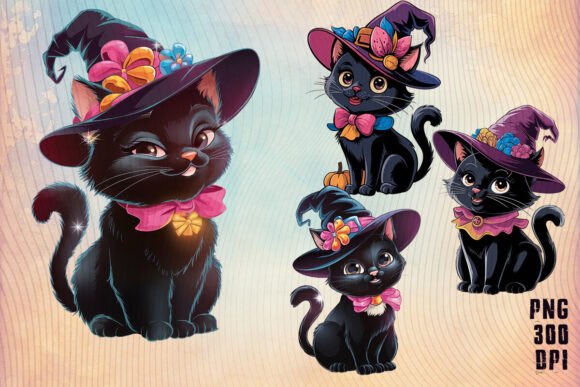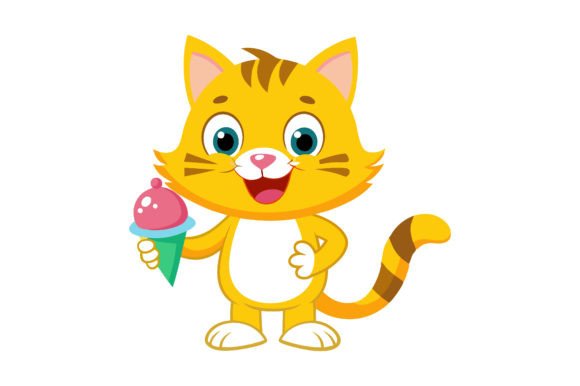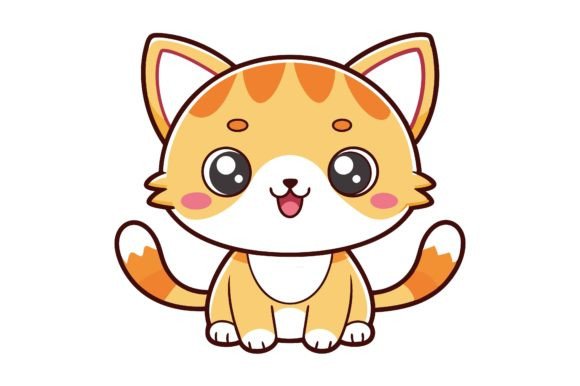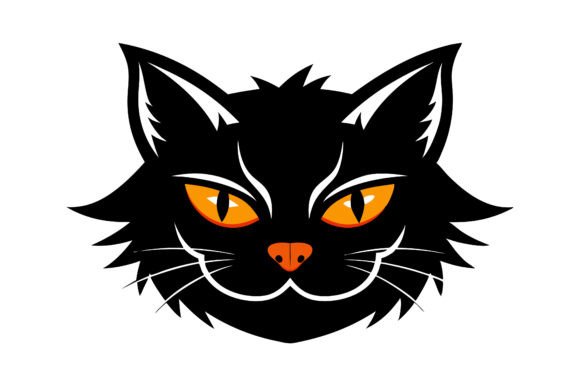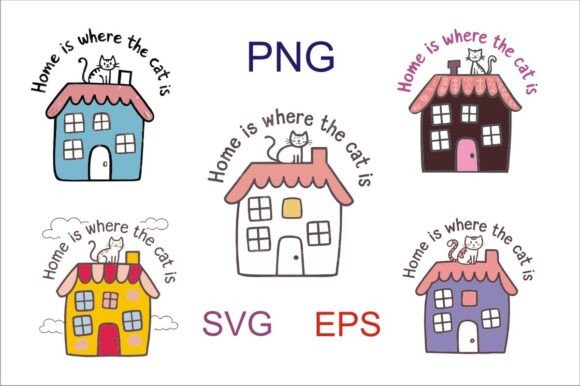
5 HOME CAT T-SHIRT DESIGN
A Designer’s First Look: Warm, Whimsical, and Ready for Real Stitching
When I opened the 5 HOME CAT T-SHIRT DESIGN zip file, my first thought wasn’t “cute”—it was “usable.” Five cats arranged in a gentle, asymmetrical cluster, each with subtle variation in pose and expression. No over-rendered whiskers or fussy outlines—just clean, confident shapes that breathe like hand-drawn sketches. The mood is cozy, not cloying; nostalgic, not dated. It feels like something you’d stitch onto a linen tea towel for a friend’s housewarming—or embroider on a baby onesie as a quiet nod to the family’s real, slightly chaotic, cat-filled home life.
How It Holds Up in Real Embroidery Projects
I tested 5 HOME CAT T-SHIRT DESIGN across three real-world scenarios: a medium-weight cotton tote bag (for a local café’s staff gift), a 100% cotton sweatshirt (custom order from an Etsy client), and a lightweight muslin pillow cover (for a nursery boutique). In every case, the design translated well—but only when I adjusted for context.
- Tote bags: Excellent. The layout sits comfortably centered on the front panel without crowding seams. The cats’ rounded forms avoid sharp corners that snag threads on textured canvas.
- Sweatshirts: Solid performance—especially with tear-away + cut-away stabilizer combo. The open negative space between cats kept stitch density manageable, reducing puckering on thick fleece.
- Baby items: Worked beautifully on the pillow cover, but I avoided stitching it directly onto a onesie’s chest pocket area—too much stretch and seam interference. Better suited for flat panels or pre-cut applique patches.
Where This Design Shines—and Where It Needs Thought
5 HOME CAT T-SHIRT DESIGN isn’t built for ultra-fine detail work. There’s no tiny lettering, no dense satin-stitched eyes, no nested fill-stitch gradients. That’s a strength—not a limitation. It means fewer thread breaks, smoother hooping, and faster stitch-out times. It also means this design belongs in your reliable workhorse folder—not your “showstopper contest entry” folder.
It fits naturally into these uses:
- Personalized gifts: A birthday sweatshirt for a cat lover? Yes. A holiday apron for a baker with three rescue cats? Absolutely.
- Small shop merchandise: Think boutique kitchen towels, embroidered cap fronts (if placed above the curve), or pillow covers sold as sets.
- Digital product bundles: As part of a “Home & Hearth” embroidery collection, this design adds warmth without overwhelming cohesion.
But proceed with care on:
- Dark or heavily textured fabrics: The design relies on shape clarity—not contrast—so test thread colors carefully. A light ecru thread on navy felt muddied the outlines. Switching to charcoal gray brought definition back.
- Caps and curved surfaces: The width exceeds standard front-cap hoop limits. I resized it to 85% and repositioned the cluster higher—still charming, still legible.
- Frequent-wash items: Avoid tight satin-stitch borders on cuffs or hems. Stick to running-stitch outlines or simple fill-stitch bodies for longevity.
What It Adds to Your Finished Product—Beyond Just Looks
Stitching 5 HOME CAT T-SHIRT DESIGN doesn’t just add decoration—it adds story. Customers don’t buy “a cat design.” They buy recognition: *“That’s exactly how my cats lounge on the sofa.”* That emotional resonance lifts perceived value, especially for handmade products sold on Etsy or at craft fairs. I’ve watched buyers pause longer at this kind of design in mockups—particularly when shown on natural fiber backgrounds (unbleached cotton, oatmeal linen) rather than stark white.
For small business owners, it supports brand consistency without demanding rigid repetition. You can rotate thread palettes seasonally—warm ochres and slate blues for fall, mint and cream for spring—while keeping the same core asset. And because the files include AI, EPS, SVG, and high-res PNGs, it adapts cleanly to printable mockups, social media banners, and even simple web graphics for your shop’s “About” page.
Practical Notes Every Embroidery Designer Should Check
Before cutting fabric or loading hoops, here’s what I do—and recommend you do—with 5 HOME CAT T-SHIRT DESIGN:
- Test on scrap first—always. Especially with the CDR or SVG version if you’re converting to embroidery format. Some vector paths tighten unexpectedly in digitizing software.
- Review stitch density visually in your embroidery software. If fill areas look overly saturated, reduce density by 5–10% for breathable fabrics like jersey or chambray.
- Confirm hoop size compatibility. The original layout spans roughly 4.5" wide—fine for 5x7 hoops, tight for 4x4. Resize thoughtfully; don’t compress height disproportionately.
- Inspect small details in black-and-white mockups. Does the tail curl on Cat #3 read clearly at 2" tall? Does the ear shape hold up on dark fabric? Simpler is safer.
- Check licensing before selling finished items. Since this falls under Print Templates and Graphics, confirm whether commercial use is included—especially if bundling digitally or selling stitched goods at scale.
Final Thought: A Quietly Confident Design Choice
5 HOME CAT T-SHIRT DESIGN won’t shout. It won’t dazzle with complexity. But it will deliver—consistently, warmly, professionally—across dozens of embroidery projects: from a single personalized gift to a batch of boutique tea towels. It’s the kind of design that makes customers smile, then message you for a second item. And in this industry, that quiet trust—earned stitch by careful stitch—is worth more than any flash-in-the-pan trend.