Green Label Kitten Food
A Design That Whispers “Cute Care” — Not Just Cuteness
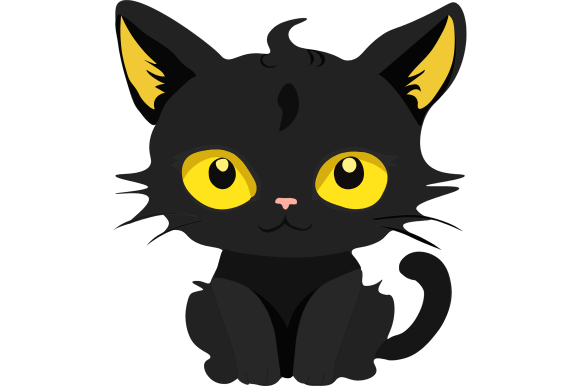
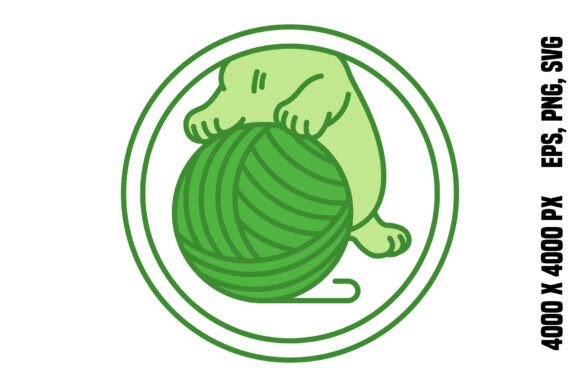
First impression? Green Label Kitten Food lands softly—not loud, not flashy, but quietly confident in its theme. It’s a compact, centered icon with gentle curves, balanced negative space, and a subtle nod to vintage pet product labels. The “green label” framing suggests freshness, safety, and care—ideal for baby items, organic pet goods, or boutique kitchenware. As an embroidery designer who’s stitched hundreds of icons for Etsy sellers and local boutiques, I immediately pictured this on a linen tea towel, a cotton apron pocket, or a soft knit baby onesie. It doesn’t scream; it invites. And that’s exactly what makes it work for real-world handmade products.
Where It Shines: Real Projects, Real Stitching
I tested Green Label Kitten Food as the focal point on a custom embroidered tote bag for a local cat café’s holiday pop-up. The design held up beautifully at 3.5" wide—clean lines stayed crisp, the rounded corners didn’t pucker, and the modest detail level (no micro-text or ultra-thin strokes) translated smoothly into satin and fill stitch. It also worked well as a small embroidered patch on denim jackets—no thread nesting, no skipped stitches, even on medium-weight twill. For sweatshirt embroidery, I paired it with a light tear-away stabilizer and found the density felt balanced: enough coverage to read clearly, not so dense it stiffened the fabric.
It’s especially strong for baby embroidery and nursery decor—think muslin pillow covers or organic cotton burp cloths. The gentle scale and friendly shape resonate with parents seeking warmth over whimsy. As a holiday embroidery option, it adds quiet charm to handmade stocking stuffers or personalized gift tags. And for Etsy sellers listing digital embroidery files, Green Label Kitten Food is a smart addition to a “Pet & Parenting” bundle—it’s distinctive enough to stand out in search, yet versatile enough to pair with fonts, borders, or coordinating motifs.
Where to Pause—and Why
This isn’t a one-size-fits-all icon. On stretchy fabrics like jersey or ribbed knits, the clean edges can blur slightly if hooping tension isn’t precise—so always test on scrap first. On dark fabric, the subtle green tones may need careful thread color selection; a true kelly green or muted sage works better than neon or yellow-leaning greens for clarity. On textured surfaces—like terry cloth towels or bouclé blankets—the fine inner details (like the tiny paw print inside the label) risk getting lost. And while it scales down decently, avoid going smaller than 2.25" on caps or curved surfaces—the lettering and icon proportions start to compress unevenly.
Also worth noting: because Green Label Kitten Food lives in the Icons category and delivers as a Graphics asset (EPS, PNG, SVG), it’s not a native embroidery file. You’ll need to digitize it—or hire a digitizer—before stitching. That means stitch density, underlay, and pull compensation are all in your hands. Don’t assume the vector translates directly to smooth machine embroidery without review.
What It Adds to Your Finished Product
Green Label Kitten Food elevates perceived value without demanding premium pricing. On a handmade product, it signals thoughtfulness—not just “I embroidered something,” but “I chose something that fits the story.” Customers notice that. A craft fair shopper paused mid-booth to ask about the embroidery on my sample apron, then bought two. A boutique owner told me she uses it on custom tea towel sets for new pet parents—it’s become a quiet signature touch that reinforces her brand voice: warm, intentional, unhurried.
It builds trust, too. Unlike overly busy or cartoonish pet icons, Green Label Kitten Food feels grounded. That matters for commercial embroidery projects where clients want their merchandise to reflect care—not clutter. And for digital product sellers, offering it as part of a curated set (say, alongside “Green Label Puppy Food” or “Green Label Bird Treats”) creates natural cross-sell potential and strengthens your shop’s visual cohesion.
Practical Designer Notes Before You Stitch
- Always test on scrap fabric—especially if using it on baby items or garments meant for frequent washing.
- Check thread color contrast on both light and dark backgrounds before committing to a full run.
- Review stitch density in your digitized version—avoid excessive fill in small areas, which can cause stiffness or thread breakage.
- Confirm hoop size compatibility; this design fits comfortably in a 4"x4" hoop at standard sizes, but verify before batching orders.
- Inspect small details like inner linework or label edges—they’re delicate in vector form and need reinforcement in stitch editing.
- Test black-and-white mockups to ensure legibility when color isn’t available (e.g., packaging, printed catalogs).
- Use appropriate stabilizer: cut-away for knits, tear-away for stable wovens, and lightweight fusible for delicate linens.
- Verify licensing—since the ZIP includes vector formats only, confirm whether commercial use of finished embroidered items or resale of digitized versions is permitted.
Final Thought: A Quiet Anchor in Your Design Toolkit
Green Label Kitten Food won’t dominate a collection—but it’ll hold its ground. It’s the kind of icon that works harder than it looks: supporting brand storytelling, reinforcing handmade authenticity, and landing just right on everything from a baby onesie to a boutique apron. If you’re curating embroidery design assets for your craft business, Etsy shop, or client portfolio, this is the thoughtful, reusable piece you’ll reach for again—not because it’s trendy, but because it’s *true*. True to theme, true to texture, and true to the quiet confidence of well-chosen design.