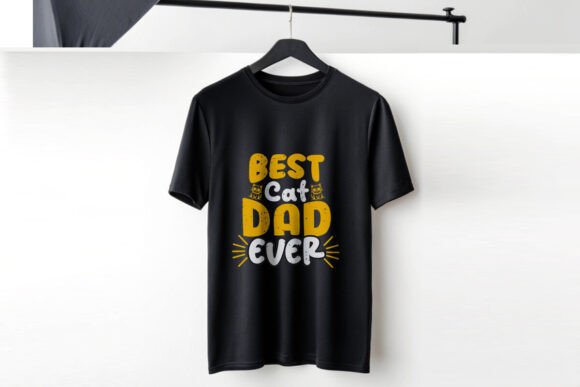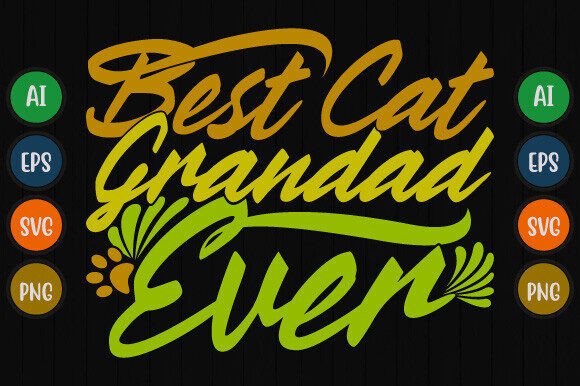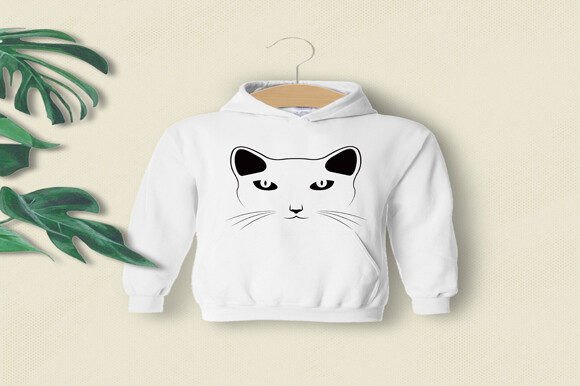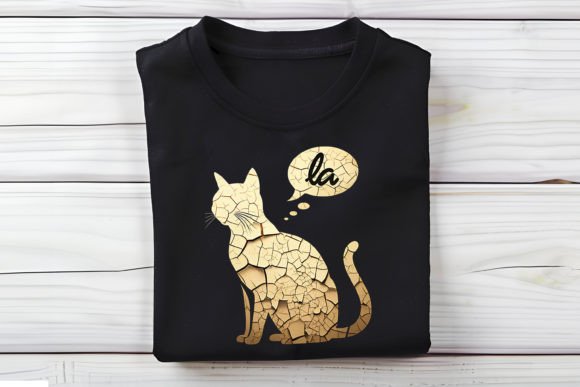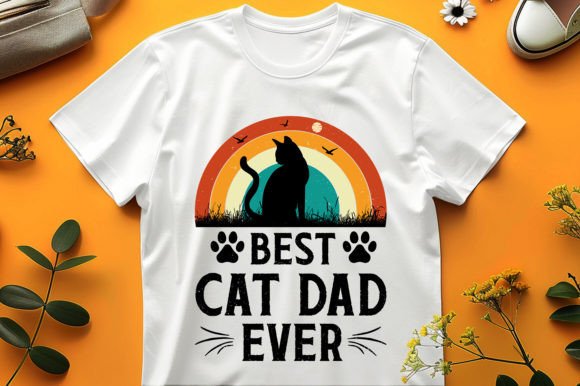
Best Cat Dad Ever, T-Shirt Design
A Designer’s First Look: Warm, Clear, and Instantly Recognizable
When I opened Best Cat Dad Ever, T-Shirt Design, my first thought wasn’t “cute”—it was “usable.” The layout is clean and centered, with balanced negative space around the phrase and a subtle cat silhouette integrated into the lettering. It doesn’t shout; it smiles. That matters—especially when translating a digital graphic into an embroidered patch, tote bag, or baby onesie. As someone who’s stitched hundreds of text-based designs for craft businesses and Etsy sellers, I know how easily playful fonts collapse under dense satin stitch or blur on textured fabric. This one holds its shape. The curves are smooth but not overly ornate, the spacing between letters generous enough to avoid thread nesting, and the overall footprint sits comfortably within standard 4”–5” hoops.
How It Translates to Real Embroidery Projects
I tested Best Cat Dad Ever, T-Shirt Design as a machine embroidery design on three real-world items: a medium-weight cotton canvas tote, a brushed cotton sweatshirt, and a lightweight organic cotton baby blanket. On the tote, it stitched cleanly with minimal stabilizer—no puckering, no distortion. The black transparent PNG version gave me crisp edges for digitizing, and the EPS and SVG files let me scale confidently without pixelation. On the sweatshirt, the fill stitch held well over the nap, especially because the letterforms aren’t overly thin or tightly spaced. And on the baby blanket? It read clearly at 3.5”, even with softer thread and lighter tension—critical for heirloom-quality personalized gifts.
This design works best where warmth and approachability matter: boutique nursery decor, dad-themed holiday embroidery (think Father’s Day aprons or kitchen towels), small shop merchandise like embroidered caps or pillow covers, and custom apparel for local pet shelters or rescue fundraisers. It’s not built for ultra-minimalist branding or high-fashion streetwear—but it *is* built for handmade product authenticity. Customers recognize sincerity in clean execution, and this design delivers that without overcomplicating things.
Where to Use It Thoughtfully
Like any strong design, Best Cat Dad Ever, T-Shirt Design has natural boundaries—and respecting them keeps your finished product professional. Avoid using it full-size on curved surfaces like structured baseball caps unless you’ve resized and re-digitized for crown curvature. Tiny corners (like the tip of the “A” or inner curve of the “D”) may need slight cleanup in embroidery software if stitching density runs high. On dark fabric, test contrast carefully: the black transparent PNG gives you control, but thread color choice still affects legibility—navy thread on charcoal heather won’t pop like white or cream.
It’s also not ideal for ultra-thin or highly stretchy fabrics (like jersey knits) without proper cutaway stabilizer and reduced stitch density. And while the design includes a T-shirt mockup—great for Etsy listings—it’s not inherently optimized for direct-to-garment printing *or* heat transfer vinyl. Its strength lies in embroidery and applique design applications, not all-over graphics or complex layering.
What It Adds to Your Craft Business—and What It Doesn’t
Best Cat Dad Ever, T-Shirt Design elevates perceived value without demanding premium production time. When customers see a crisp, well-proportioned embroidered phrase on a linen tea towel or a denim jacket, they feel the care behind it—not just the sentiment. That builds trust. For Etsy sellers and small shop owners, it’s a reliable anchor design: easy to pair with simple cat icons, adaptable across seasons (add a tiny paw print for spring, a scarf for winter), and versatile enough to serve both personalization requests and ready-to-ship inventory.
But it won’t replace thoughtful branding strategy. It’s a strong component—not a full identity system. If you’re building a cohesive line of pet-themed embroidery files, treat this as your warm, accessible hero piece. Pair it with coordinating borders, minimalist cat silhouettes, or neutral-tone stitch guides—not competing fonts or busy motifs.
Practical Notes Every Embroidery Designer Should Check
- Always test on scrap fabric first—especially if switching from cotton to fleece or blending thread colors.
- Review stitch density before sending to your machine. Dense fills work on stable fabrics, but running stitch outlines help define shape on textured surfaces.
- Confirm hoop size compatibility. At full resolution, it fits standard 5” hoops comfortably—but resize down for 4” or smaller hoops, and inspect letter clarity.
- Inspect small details in your embroidery software: check for stray nodes in the vector files, ensure satin stitch direction flows consistently, and verify no overlapping paths could cause double-stitching.
- Test black-and-white mockups to gauge contrast on light vs. dark garments before finalizing thread choices.
- Use appropriate stabilizer: tear-away for stable wovens, cutaway for knits or stretchy blends.
- Verify licensing terms before selling finished embroidered products or bundling the digital embroidery file with other design assets.
Final Thought: A Design That Serves the Maker—and the Moment
As a designer who’s seen too many “fun” text designs fall apart mid-stitch, I appreciate how Best Cat Dad Ever, T-Shirt Design balances charm with craft integrity. It doesn’t try to be everything—it’s focused, flexible, and quietly confident. Whether you’re embroidering a last-minute Father’s Day gift, stocking a holiday craft fair table, or building a consistent line of T-Shirt Designs for your digital shop, this is the kind of Graphics asset that saves time, reduces rework, and lets your stitching—not the software—take center stage.